
Heater choices
Best Propane Tankless Water Heaters in 2026
As an Amazon Associate, this website earns from qualifying purchases.
The short answer
Assess RX199iN for a propane condensing project, V53DeP for modest outdoor demand, or RTG-70XLP-3 for an outdoor RTG layout. Check winter flow first.
Our top 2 picks
- 1Flexible gas layout
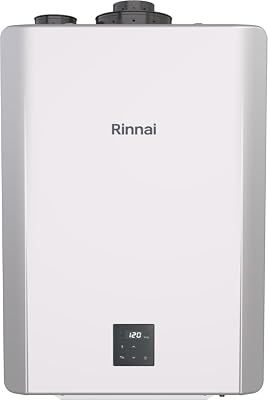 Rinnai RX199iNRinnai RX199iN
Gas-equipped homes comparing a condensing installation indoors or outdoors.
- Natural gas or propane configuration
- Condensing gas heating
- Outdoor installation requires the RX-OVC accessory
Keep in mind: Condensate disposal and the exact vent or outdoor kit remain part of the project.
View on AmazonRead our analysis - 2Modest outdoor load
 Rinnai V53DePRinnai V53DeP
A propane installation outdoors with a modest demand supported by its flow curve.
- Propane fuel
- Outdoor installation
- Non-condensing heating
Keep in mind: Smaller heating input limits winter flow; it is not a large-house substitute.
View on AmazonRead our analysis
The best propane tankless water heater must fit the water load and the fuel system. Start with winter flow, then check where the exact model is allowed to go. These two picks cover different projects, and a third outdoor model is covered under the factors. Gas heaters are not all the same. A propane tank at the home does not by itself prove enough fuel capacity.
Rinnai RX199iN: a configurable condensing option
Rinnai RX199iN Rinnai RX199iN
Our verdict:
Flexible gas layout
Gas-equipped homes comparing a condensing installation indoors or outdoors.
- Natural gas or propane configuration
- Condensing gas heating
- Outdoor installation requires the RX-OVC accessory
Keep in mind: Condensate disposal and the exact vent or outdoor kit remain part of the project.
View on AmazonThe Rinnai RX199iN can be set up for propane or natural gas. Confirm the required setup on the exact unit. A gas connection does not make the fuel choice for you. Have a licensed installer follow the maker's US gas-conversion manual. Put the fuel setup on the order so the delivered heater matches the plan.
As a condensing unit, it also needs a condensate route. Indoor use needs the specified vent layout; outdoor use needs the RX-OVC kit. Compare the whole package with the outdoor-only choices here. A heater-only offer leaves parts of the job unresolved. Ask where the drain and pipes will run before deciding that the layout fits.
This is a candidate when the winter flow meets demand and the work scope is suitable. This still calls for a full gas-supply design. A larger heating input can put more demand on the fuel system. Have a licensed installer confirm that system with the other gas loads included. The heater's water-side output and the home's ability to fuel it must agree.
Rinnai V53DeP: modest outdoor demand
Rinnai V53DeP Rinnai V53DeP
Our verdict:
Modest outdoor load
A propane installation outdoors with a modest demand supported by its flow curve.
- Propane fuel
- Outdoor installation
- Non-condensing heating
Keep in mind: Smaller heating input limits winter flow; it is not a large-house substitute.
View on AmazonThe Rinnai V53DeP is an outdoor propane model. It deserves a look for a modest load where the flow table supports the required rise. Do not infer suitability from the number of people in the home alone. A household that runs one tap at a time can have a lower peak than a smaller household with two large showers running together.
The main trade-off is the water load it can support in winter. A maximum GPM figure should carry its temperature-rise condition. If the cold inlet water calls for more rise, the flow available at the chosen outlet target falls. Work through that case before treating a compact outdoor unit as a simple swap for a tank.
Location matters as much as fuel. This is an outdoor choice, not a model to put inside and vent by improvisation. Follow its manual for the allowed position and clearances. Leave room for service. The unit's own freeze-protection provisions do not settle the exposure plan for every connected pipe or a period without normal power.
Factors to consider: best propane tankless water heater
Also check: Rheem RTG-70XLP-3, an outdoor propane model
The Rheem RTG-70XLP-3 is an outdoor propane option in the non-condensing RTG range. Keep the full model suffix when comparing it with nearby listings. A natural-gas version is not the same order. An indoor version is not the same location choice. A short range name can hide both differences.
Use its winter flow table to decide whether it belongs on the quote. The model number does not establish a bathroom count or a fixed flow under every condition. Keep the inlet temperature and outlet setting the same when comparing with the Rinnai options. Otherwise a warmer test condition can look like extra capacity that the home will not receive in winter.
This option makes sense only where the outdoor location and supply have been confirmed. Compare the service route as well as wall space. Ask who will maintain the unit and whether the cover and valves will remain reachable. A neat position behind storage can save space on paper while making later service harder than it needs to be.
Propane model differences at a glance
These are options for distinct layouts. The order does not rank build quality or running cost. Compare each at the same winter inlet temperature and hot-water target. The location and fuel setup below come from the makers' US pages; the reasons to shortlist each are our editorial judgments.
| Model | Fuel and location | Reason to assess it | Main limit |
|---|---|---|---|
| Rinnai RX199iN | Propane setup; indoor or outdoor with RX-OVC | A condensing project with a choice of location | Confirm gas setup, drain and vent or outdoor kit |
| Rinnai V53DeP | Propane; outdoor | A modest load that fits its winter flow curve | Outdoor use and lower heating input than RX199iN |
| Rheem RTG-70XLP-3 | Propane; outdoor | A non-condensing RTG layout | Keep the exact propane suffix and check winter flow |
Scroll for more →
Start by ruling out a model whose allowed location does not fit. Then compare the remaining flow curves. An outdoor-only heater cannot solve a lack of indoor vent space unless the proposed outdoor site is also suitable. A choice that passes only one of those checks is still an incomplete plan.
Confirm fuel delivery with the whole system in view
Do not size propane supply from the presence of a tank alone. The heater is one load within a complete system. The installer needs its exact input and the other gas loads that run together. Have the supplier and licensed trade confirm the fuel system for that demand. Keep required changes visible in the quote.
This article does not prescribe pipe sizes or regulator settings. Those depend on the exact system and the manufacturer's instructions. A previous tank water heater's connection may serve a different demand. Reusing it must be a confirmed design choice. Avoid buying the unit first and treating any later fuel work as an unavoidable surprise.
Keep ongoing fuel supply separate from equipment capacity too. A model can be correctly sized for hot water while the household still needs a practical delivery and monitoring plan. Ask how the system will be maintained and how the fuel level is checked. A water-heater comparison cannot establish those arrangements from the unit's model name.
Size at the winter rise
Measure or support the cold inlet temperature. The outlet target minus that input is the temperature rise. A higher rise needs more heat for the same flow. Use the exact model table and the taps that run together. Our sizing calculator helps screen this duty before you compare the units.
Write down both routine and occasional peak use. If the household can keep a bath fill apart from showers, record that as a use choice. If those tasks must overlap, include them in the load. A quote based on a convenient schedule should not be accepted unless it matches how the home will actually be used.
Do not use a higher outlet setting as a shortcut around a poor sizing result. It changes heat demand and can raise scald risk. The full hot-water layout and any mixing controls matter. Stay with the exact manual and a safe system design. Product control features cannot make an undersized heater supply unlimited hot water.
Compare indoor and outdoor work fairly
For indoor equipment, confirm the model-approved vent route and combustion-air arrangement. An old water heater's flue is not automatically reusable. For outdoor equipment, check the allowed location and clearances. A seller photograph is not a siting instruction. The outdoor comparison explains how kit-equipped and outdoor-only choices differ.
A condensing heater also needs a drain plan for its condensate. The route and any treatment belong in the scope. A non-condensing choice changes the vent and heat-exchanger design questions; it does not remove the need to check the whole installation. Compare completed proposals so missing accessories do not appear to be savings.
Include water quality and routine care
Check the manual's water-quality limits and service needs. Base treatment on measured water conditions. A general filter is not proof that hardness has been addressed. Keep the exact model documents available for the next service visit. Do not apply a procedure from a different heater just because both use propane.
Ask what access is needed to isolate and service the unit. Leave that space clear after the job. Read warranty coverage by category, since parts and labor can have different terms. Keep proof of purchase and installation. Neither a long warranty period nor a claim about continuous hot water establishes an expected service life.
Before you accept a quote, check its list of included parts. Find the exact heater model and fuel type. Then look for the vent or outdoor kit if one is required. The drain, water valves and fuel work should each have a clear place in the scope. A short list that only names the heater leaves too much to settle after it arrives.
Compare that scope with the second quote line by line. If one includes supply work and the other does not, the totals do not yet describe the same job. Ask for the missing scope to be priced or kept as an open item. It is better to know what remains unclear before the order is placed.
Keep the final model documents with the quote and mark any later changes. A different suffix can change the fuel or allowed location. A larger input can change the supply check. If the proposed unit changes, bring it back through the water and fuel checks. The first plan does not automatically cover the replacement choice.
How We Picked
We used published US manufacturer documents and exact product catalog checks. We have not installed these heaters or run propane consumption trials. The shortlist separates an adaptable condensing layout from two outdoor-only options. Each choice depends on supported winter flow and fuel-system suitability. We do not infer operating costs from capacity or compare customer scores as proof of fit.
Verdict: best propane tankless water heater for the project
The best propane tankless water heater meets the water load on a fuel system designed for it. Assess the RX199iN for a supported condensing project, the V53DeP for modest outdoor demand, or the RTG-70XLP-3 for an outdoor RTG option. Confirm the complete model and location first. Compare the total work scope before ordering the heater.
US source pages and their linked manuals: Rinnai RX199iN, Rinnai V53DeP, and Rheem outdoor RTG models. Published information checked October 16, 2026. For other fuel types, return to our tankless heater comparison.
Related guides
Quick answers
Can a natural gas tankless water heater run on propane?
Only use propane where the exact model and the maker's instructions allow it. Rinnai lists both fuels for RX199iN, with a defined gas setup. This does not apply to every gas heater. Have a licensed installer confirm the fuel setup and check the completed work before use.
Do propane tankless water heaters need electricity?
Check the exact model's power needs as well as its gas supply. Gas heats the water, but controls and other functions can still need power. Do not assume a propane heater will work in an outage. Include loss of power in the freeze plan for outdoor units and exposed pipes.
What size propane tankless water heater do I need?
Use the hot-water flow needed at the same time and the coldest supported inlet temperature. Compare that load with the exact model's flow curve at the needed rise. A bathroom count or the largest GPM figure cannot settle the choice. The propane supply must also meet the agreed load.
Can an outdoor propane tankless heater be installed indoors?
Use an outdoor-only model only in its allowed location. Adding a vent does not turn V53DeP or RTG-70XLP-3 into an indoor choice. RX199iN has a separate indoor or outdoor setup in its maker's instructions. Have the location, clearances and the full installation checked before choosing the unit.