
Heater choices
3 Best Outdoor Tankless Water Heaters in 2026
As an Amazon Associate, this website earns from qualifying purchases.
The short answer
RX199iN needs the specified outdoor accessory. Rheem RTG-84XLN-3 uses natural gas; Rinnai V53DeP uses propane. Confirm the winter flow and location.
Our top 3 picks
- 1Flexible gas layout
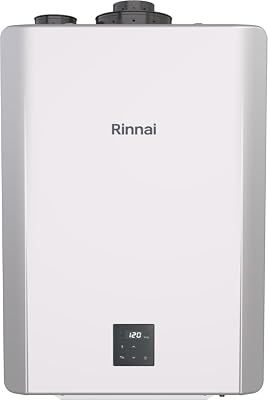 Rinnai RX199iNRinnai RX199iN
A condensing gas project with a confirmed outdoor location and the required RX-OVC kit.
- Natural gas or propane configuration
- Condensing gas heating
- Outdoor installation requires the RX-OVC accessory
Keep in mind: The outdoor accessory and condensate drain must be included in the scope.
View on AmazonRead our analysis - 2Outdoor natural gas
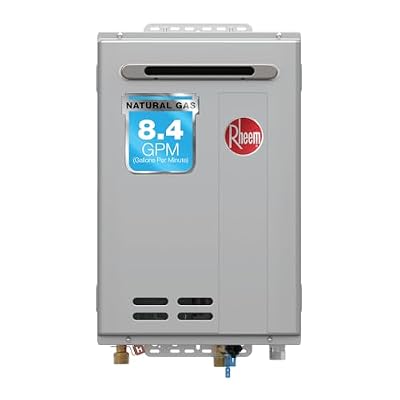 Rheem RTG-84XLN-3Rheem RTG-84XLN-3
A natural-gas project with an approved outdoor location and a water load the flow table supports.
- Natural gas fuel
- Outdoor installation
- Non-condensing RTG family
Keep in mind: This outdoor model should not be treated as an indoor heater with a vent added.
View on AmazonRead our analysis - 3Modest propane demand
 Rinnai V53DePRinnai V53DeP
An outdoor propane project with a limited water load supported by the exact flow curve.
- Propane fuel
- Outdoor installation
- Non-condensing heating
Keep in mind: Its smaller heating input limits cold-inlet flow; it is not a large-house substitute.
View on AmazonRead our analysis
The best outdoor tankless water heater must suit the fuel and winter water load. It also needs an allowed place to sit. An outdoor unit avoids an indoor vent route, but it still has clearances and weather limits. These three choices cover different layouts. Confirm the full model and kit before you treat a heater-only quote as the whole job.
#1. Rinnai RX199iN: outdoor use with the specified kit
Rinnai RX199iN Rinnai RX199iN
Our verdict:
Flexible gas layout
Gas-equipped homes comparing a condensing installation indoors or outdoors.
- Natural gas or propane configuration
- Condensing gas heating
- Outdoor installation requires the RX-OVC accessory
Keep in mind: The outdoor accessory and condensate drain must be included in the scope.
View on AmazonThe RX199iN can be set up for natural gas or propane. Outdoor use needs the RX-OVC kit. Confirm that the quote includes it and the installer is using the outdoor instructions. A seller photo may show a heater beside an outside wall. That does not prove that the bare unit is ready for the job.
This is a condensing model, so the project needs a plan for condensate as well as hot water. Ask where the drain will run and how exposed parts will be protected. Do not assume that putting the heater outside makes every drain route acceptable. The location has to meet the manual and local requirements as a complete installation.
Choose it for a supported water load and a site where the outdoor package makes sense. Check flow at the required temperature rise. More maximum flow on a listing does not establish more winter capacity. Keep the outdoor accessories in the scope when comparing it with a model designed only for outdoor use.
#2. Rheem RTG-84XLN-3: outdoor natural gas
Rheem RTG-84XLN-3 Rheem RTG-84XLN-3
Our verdict:
Outdoor natural gas
An outdoor natural-gas layout that meets clearance and water-flow requirements.
- Natural gas fuel
- Outdoor installation
- Non-condensing RTG family
Keep in mind: This outdoor model should not be treated as an indoor heater with a vent added.
View on AmazonThe RTG-84XLN-3 is an outdoor natural-gas model in Rheem's non-condensing RTG range. Match the full suffix when reading documents or ordering. Similar names can refer to a different fuel or place of use. Put the exact model on the quote. Check any proposed change against that record before the work starts.
Assess this option where natural gas is available and the model's supported flow meets the winter draw. A bathroom count does not establish that result. Use the water entering the heater and the taps that must run together. A model suitable for one home's use pattern can be too small for another home with the same number of rooms.
An outdoor-only unit still needs service access. Check the route to the cover and valves as well as the wall space. A narrow passage can make later work awkward even if the heater fits. Avoid a location where storage or planting is likely to block access after the installation. Keep that space usable through the life of the unit.
#3. Rinnai V53DeP: a modest propane load
Rinnai V53DeP Rinnai V53DeP
Our verdict:
Modest propane demand
A propane installation outdoors with a modest demand supported by its flow curve.
- Propane fuel
- Outdoor installation
- Non-condensing heating
Keep in mind: Its smaller heating input limits cold-inlet flow; it is not a large-house substitute.
View on AmazonThe V53DeP is an outdoor propane model. It is a candidate for a modest demand, rather than a way to cover every tap in a large home. Check its flow at the required rise before considering its size or appearance. A smaller heater can be a sound choice when the load is small, but the winter check cannot be skipped.
Confirm the fuel rather than assuming that any gas heater can be connected to propane. The model name and instructions must agree with the supply. The propane system also needs enough capacity for the heater and other loads. That is part of the installer’s design, not something established by the tank size alone.
This option is worth assessing when a limited routine draw fits and an outdoor propane layout is allowed. If several draws must overlap, compare the table before relying on a larger headline GPM from a different condition. Reduced flow may be acceptable for a bath fill. It can be a poor fit for the showers the household expects to run together.
Factors to consider: best outdoor tankless water heater
Confirm location approval and clearances
Outdoor approval belongs to the exact model and package. It does not apply to every unit in a brand's range. Read the outdoor instructions for the chosen heater and kit. Check distances from openings and other features at the site. Keep clearances on the plan so an easy wall position does not become the default without a check.
Do not invent a recess or cover to make a heater look tidier. A cover can affect combustion air or exhaust. Use only a layout allowed by the model's documents. A patio and a narrow side passage are different sites. If the planned spot does not work, move it or choose different equipment before ordering.
Separate winter capacity from freeze protection
Cold inlet water raises the heat required for each gallon. That affects hot-water flow even when the heater itself is protected from freezing. Use a supported winter inlet temperature and the exact flow table. Our sizing calculator helps estimate the water duty before you compare models. It does not approve a location or size a gas line.
Freeze protection is a separate issue. Check what the unit's protection covers and what power or operating conditions it needs. Connected pipes and valves may remain exposed. A feature inside the cabinet is not proof that the full installation is safe during a cold spell or an outage. Use the freeze-protection guide to plan those questions.
Ask what happens when the home is vacant or the power fails. Keep that answer tied to the exact manual. Do not rely on an assumed freeze temperature from another model. An outdoor heater can be sized correctly for hot water and still have a poor exposure plan. Both checks must pass before the location is settled.
Check fuel, drains and service access
The gas supply must support the heater with the other loads that run at the same time. An old water heater's connection does not prove enough capacity. Have a licensed installer check the full fuel system and the model's needs. Keep supply changes in the work scope. An omitted allowance is not a confirmed zero cost.
For a condensing unit, include the condensate path and its treatment where required. Plan exposed plumbing and isolation points for the site conditions. Leave the cover accessible. These details can affect the choice between two otherwise suitable heaters. Compare the full installation, rather than selecting a model from the heater-only cost and solving the site later.
Match the model to everyday use
Write down which taps run together and what flow each task needs. Then check the colder inlet case. A maximum flow without its temperature rise is not enough. Keep the same inlet and outlet assumptions for every shortlisted model. Otherwise warmer test conditions can look like better performance when they simply describe an easier heating job.
Consider noise and the path used to reach the unit, within the manual's limits. Do not mount equipment where routine care will be blocked by parked items or locked storage. Ask who will provide service and keep the exact model documents. A good location remains usable after the installer leaves, not just on the day the wall is clear.
Walk the route from the water supply to the proposed wall. Note which pipes will stay outside and which parts of the home they pass. Do the same for the drain if the model needs one. A short route on a sketch may cross a doorway or an area that must remain clear. Resolve that before the unit is mounted.
Keep a copy of the agreed plan with the quote. It should show which parts are included and which need more work. Then check it again if the unit or site changes. Moving the heater to another wall can alter more than the pipe length. The new spot needs its own clearance and weather checks.
For daily use, think about who can reach the unit safely and how it will be kept clear. The garden layout may change with the seasons. A spot clear today can be blocked by growth or stored items later. The heater needs ongoing access, so build that into the way the space will be used.
How We Picked
We checked published US manufacturer information and exact catalog identities. We have not installed these units or tested them outdoors. The comparison separates outdoor-only equipment from a model that needs an outdoor kit. It also treats fuel, water duty and freeze planning as distinct checks. No pick is presented as suitable for every outdoor location.
Verdict: best outdoor tankless water heater for your site
The best outdoor tankless water heater fits both the site and the winter load. Assess the RX199iN with its required outdoor package, the RTG-84XLN-3 for outdoor natural gas, and the V53DeP for a modest propane demand. Confirm the fuel and exact model before purchase. Then compare the complete work scope, including the exposure plan and future service access.
Sources: Rinnai tankless product range and Rheem residential tankless range. Published information checked October 16, 2026. Installation follows the current exact-model manual.
Related guides
Quick answers
Can a tankless hot water heater be outside?
Only when the exact model and package approve outdoor use. The RX199iN needs its specified outdoor kit, while the other two picks are outdoor models. Confirm location clearances and the exposure plan for connected pipes as well as the heater.
Is an 11 GPM tankless water heater available?
The RX199iN has a catalog maximum above that figure. It does not establish the flow available at your winter temperature rise. Compare the required inlet and outlet conditions with the exact model's table before sizing.
What is the best outdoor tankless water heater?
The useful choice depends on fuel, winter demand and the permitted wall location. Compare the complete outdoor package and service access. A larger maximum-flow claim cannot compensate for an unsuitable location or an unconfirmed supply.