
Heater choices
3 Rinnai Tankless Water Heater Choices in 2026
As an Amazon Associate, this website earns from qualifying purchases.

The short answer
Compare RX199iN for condensing gas, RXP199iN for an integrated pump, or V53DeP for modest outdoor propane demand. Confirm winter flow and the complete supply plan.
Our top 3 picks
- 1Flexible gas layout
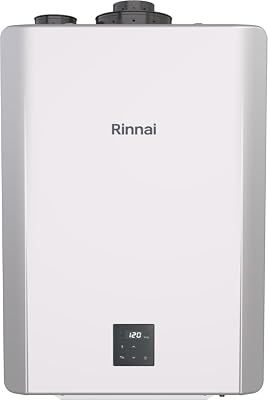 Rinnai RX199iNRinnai RX199iN
A gas-equipped home with a supported winter load and a complete condensing installation plan.
- Natural gas or propane configuration
- Condensing gas heating
- Outdoor installation requires the RX-OVC accessory
Keep in mind: Condensate disposal and the exact vent or outdoor kit remain part of the project.
View on AmazonRead our analysis - 2Integrated return pumpRinnai RXP199iNRinnai RXP199iN
A gas project with a compatible return path and a need for a pump-equipped heater.
- Integrated recirculation pump
- Natural gas or propane configuration
- Condensing gas heating
Keep in mind: The pump does not create a return route through existing plumbing.
View on AmazonRead our analysis - 3Modest outdoor propane
 Rinnai V53DePRinnai V53DeP
An outdoor propane project with a limited water load supported by its flow curve.
- Propane fuel
- Outdoor installation
- Non-condensing heating
Keep in mind: Smaller heating input limits cold-inlet flow when several taps overlap.
View on AmazonRead our analysis
The Rinnai tankless water heater range has more than one fuel and layout choice. These three picks cover condensing gas, an integrated return pump and modest outdoor propane demand. Match the winter flow and the full work scope before choosing. A brand name or a large maximum GPM figure cannot settle those checks.
#1. Rinnai RX199iN: flexible condensing layout
Rinnai RX199iN Rinnai RX199iN
Our verdict:
Flexible gas layout
Gas-equipped homes comparing a condensing installation indoors or outdoors.
- Natural gas or propane configuration
- Condensing gas heating
- Outdoor installation requires the RX-OVC accessory
Keep in mind: Condensate disposal and the exact vent or outdoor kit remain part of the project.
View on AmazonThe RX199iN offers indoor and outdoor routes with the correct package. Outdoor use needs the RX-OVC kit. A seller's photo may show parts that do not come with the bare heater. Confirm the model and kit along with the intended location. Compare that full package with the other options.
Natural gas and propane are supported fuel choices. The exact unit must be set up according to its instructions. A gas connection does not decide the fuel for you. Put that choice on the quote and order. Repeat the checks if another model or range suffix is proposed instead.
As a condensing heater, the RX199iN needs a condensate disposal plan. That is separate from the hot-water connections. Ask where the drain will run and what the site requires. An outdoor location does not make any drain route acceptable. Confirm those details before choosing the wall position, since the route can affect how practical that position is.
#2. Rinnai RXP199iN: an integrated return pump
Rinnai RXP199iN Rinnai RXP199iN
Our verdict:
Integrated return pump
A planned recirculation system with a confirmed return path and control arrangement.
- Integrated recirculation pump
- Natural gas or propane configuration
- Condensing gas heating
Keep in mind: The pump does not create a return route through existing plumbing.
View on AmazonThe RXP199iN adds an integrated recirculation pump to a condensing gas layout. That is a useful difference when the house has a planned return path and compatible controls. It is not proof that every required part is included or that every tap will warm at once. Confirm the loop as part of the project before paying for the pump feature.
Keep heating capacity and waiting time separate. The return system can move water through an approved route, but it does not increase burner output for simultaneous showers. Check the exact winter flow table with the household load. Then check the plumbing arrangement with the installer. A larger model or an included pump should not hide a shortfall in either part of the plan.
The fuel and installation package still matter. Use the exact model's instructions for its gas setup and allowed position. Include the approved vent or outdoor kit as applicable, together with condensate work. Compare that complete project with the RX option. The useful question is whether the pump solves a real waiting-time problem in a supported system.
#3. Rinnai V53DeP: modest outdoor propane demand
Rinnai V53DeP Rinnai V53DeP
Our verdict:
Modest outdoor propane
A propane installation outdoors with a modest demand supported by its flow curve.
- Propane fuel
- Outdoor installation
- Non-condensing heating
Keep in mind: Smaller heating input limits cold-inlet flow when several taps overlap.
View on AmazonThe V53DeP is an outdoor propane model. It belongs on a shortlist for a modest demand that fits the published winter curve. A single draw is a different task from several showers used together. Record what must overlap and what can wait, then check the model table. Do not treat a compact outdoor unit as a universal whole-house replacement.
The outdoor position needs the correct clearances and a complete exposure plan. Follow the exact manual, including what its own freeze protection covers. Connected pipes and valves can have different needs from the cabinet. A propane supply at the property also needs a proper assessment for the heater and the other loads. Neither wall space nor tank presence proves the project fits.
Choose this option for a supported propane layout and a water load that remains within its limits. If the winter curve is too low, compare a different size or system. A different temperature display cannot add heating output. Agree any reduced flow or staggered use before buying, so the plan matches how the household intends to use hot water.
Factors to consider: Rinnai tankless water heater models
Supported flow matters more than maximum GPM
The heater's maximum flow belongs to stated conditions. Cold water entering in winter needs more heat for each gallon. Read the exact flow table at the rise the home needs. A maximum based on warm water is not proof of enough winter flow. Keep the conditions beside the figure used in the quote.
List which taps really run together. A long shower is a different task from several showers at once. Tankless can keep heating within its output limits, but duration does not make those limits disappear. A household that staggers large draws may need less peak flow than one that wants each fixture running freely during the same busy period.
Use a supported winter inlet estimate, then improve it with measurements when practical. Keep the outlet target fixed when comparing models. Our sizing calculator helps estimate the water duty from those inputs. It does not select the RX199iN or approve its installation. Compare the result with the exact model table and the actual fuel system.
If the water load does not fit, identify what would have to change. You could keep large draws apart, accept a slower fill or compare another system. Do not assume the controls will provide extra burner capacity. The choice should reflect how the household plans to use hot water, including the normal busy morning rather than only a quiet single-tap case.
Fuel supply and siting
Have a licensed installer assess the complete gas system. A pipe used by a prior tank heater does not prove enough supply for a tankless unit. Other gas loads can run at the same time. The route and the rest of the system matter too. Keep any required changes in the quoted scope before the heater is ordered.
For indoor use, follow the model's approved vent and combustion-air layout. An old flue is not automatically reusable. The vent route and termination must work at the site. A compact wall unit may save floor area while still needing a different exhaust route. Compare that whole job with other positions or equipment before deciding it is the simplest option.
For outdoor use, check the kit instructions and allowed location. Clearances apply to the real openings near the unit. Do not invent a box or cover to hide it. That can interfere with the approved airflow or exhaust. The outdoor heater guide compares this kit-equipped route with outdoor-only models.
Freeze planning is separate from winter heating capacity. The unit's own protection has conditions, and exposed pipes may need their own plan. Check what happens when normal power is lost or the home is vacant. Enough heating output does not establish safe exposure for every connected part. Follow the exact manual for the whole installation.
Recirculation, water quality and care
Being able to use a return loop does not mean every pump and control is supplied. Check which parts come with the exact package. The home also needs the right return path. More heater output cannot remove cold water already sitting in a long pipe. Waiting time needs its own check of the plumbing layout.
Ask what the proposed loop is meant to achieve and how it is controlled. Keep that scope apart from the water-load calculation. A pump does not increase the heat available for taps that run together. The recirculation planning guide explains why the path, controls and heater compatibility have to be checked together.
Check the water supply against the model's limits. Base treatment on measured water conditions, rather than assuming every filter handles hardness. Keep the exact care instructions available for service. A routine from another range is not proof of the right procedure for this one. Ask who will maintain the heater and what access must remain clear.
Read each part of the warranty. Parts, labor and heat-exchanger coverage can differ. Keep the use conditions in view and save the purchase and work records. A sales claim about long life does not predict the result in your home. We do not use a warranty period or owner stories to forecast repairs.
How We Picked
We checked current Rinnai US product pages and technical documents against the exact catalog identities. We have not installed or tested the heaters. The guide weighs useful layout choices against the work they need. Winter flow must fit, and the gas and site scope must be practical. We use no invented score or claim of hands-on experience to rank them.
The assessment keeps the selected models separate from the whole brand. Other Rinnai ranges can use different vent or pump arrangements. They need their own documents. A feature should not be added to an order merely because it appears elsewhere in the range. Exact identity makes the later installation and service checks more useful.
Verdict: Rinnai tankless water heater suitability
Choose the Rinnai tankless water heater that fits the project. RX199iN offers a condensing route, RXP199iN adds an integrated pump, and V53DeP serves a supported modest outdoor propane load. Each still needs enough winter flow and a complete supply plan. Confirm the full model and work scope before settling the choice.
Keep a written record of the model and the water inputs. If either changes, repeat the fit check. A larger shower head can change the demand, while a late model substitution can change the supply or vent needs. The original quote only supports the combination that was actually assessed. Resolve a change before it becomes part of the installed system.
Return to the heater selection guide to compare fuel and control choices across the launch shortlist. Keep the same household load when assessing another option. A different brand cannot fix an undefined demand or an unconfirmed supply. Choose only when the heater, site and scope all agree.
Sources: Rinnai RX199iN, Rinnai RXP199iN, and Rinnai V53DeP. Installation and care follow the current exact-model manual.
Quick answers
How does a recirculating pump work on a tankless water heater?
In an approved system, the pump moves water through a compatible return path under the selected controls. The RXP pick includes a pump, while the plumbing path still has to be established. Pump circulation does not add heating output for overlapping showers.
Why is my tankless water heater getting low water pressure?
Low flow at a tap does not identify one cause. Note whether it affects one fixture or the wider home, then have the system checked against the exact model's requirements. Keep an output shortfall separate from a pressure or plumbing fault; a model name cannot diagnose either.
Can I adjust water pressure myself?
Do not treat a pressure change as a heater-sizing fix. The heater and plumbing have operating limits, and the cause of low flow should be established before a regulator or valve is changed. Use the exact manual and a qualified trade for work that affects the water-heating system.