
Heater choices
3 Rinnai vs Rheem Tankless Water Heater Choices in 2026
As an Amazon Associate, this website earns from qualifying purchases.

The short answer
Compare RX199iN and RTGH-95DVLN-3 for a supported condensing gas project. Assess RTG-70DVLN-3 where its non-condensing indoor layout fits. Confirm equal winter conditions first.
Our top 3 picks
- 1Condensing gas layout
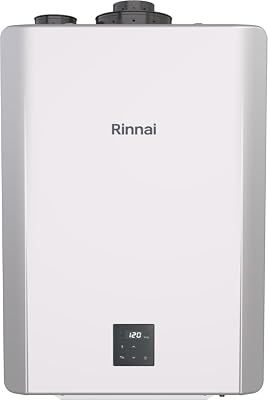 Rinnai RX199iNRinnai RX199iN
A supported gas project with a complete indoor or kit-equipped outdoor plan.
- Natural gas or propane configuration
- Condensing gas heating
- Outdoor installation requires the RX-OVC accessory
Keep in mind: Condensate and the correct vent or outdoor kit add to the heater-only scope.
View on AmazonRead our analysis - 2Indoor condensing gas
 Rheem RTGH-95DVLN-3Rheem RTGH-95DVLN-3
An indoor natural-gas project with a supported winter load and a complete condensate plan.
- Indoor natural-gas model
- Condensing heating
- Model-approved vent and condensate route
Keep in mind: Confirm the exact model and vent package rather than assume family accessories are included.
View on AmazonRead our analysis - 3Indoor natural gas
 Rheem RTG-70DVLN-3Rheem RTG-70DVLN-3
A natural-gas project whose water load and approved indoor vent route fit this model.
- Natural gas fuel
- Indoor installation
- Non-condensing RTG family
Keep in mind: Do not assume a prior tank heater's flue can be reused.
View on AmazonRead our analysis
Rinnai vs Rheem tankless water heater choices should start with exact gas models and the same winter water load. This page compares the condensing RX199iN with Rheem RTGH-95DVLN-3, then adds RTG-70DVLN-3 as a non-condensing option. Choose a supported layout and compare the complete scope. A brand name alone is a weak basis for that choice.
Compare RX199iN and RTGH-95DVLN-3 for a supported natural-gas condensing project. Assess RTG-70DVLN-3 when a non-condensing indoor layout fits. Keep winter inlet water and the required flow the same for every model. Confirm the gas, vent and drain work before settling the brand choice.
#1. Rinnai RX199iN: condensing gas
Rinnai RX199iN Rinnai RX199iN
Our verdict:
Condensing gas layout
Gas-equipped homes comparing a condensing installation indoors or outdoors.
- Natural gas or propane configuration
- Condensing gas heating
- Outdoor installation requires the RX-OVC accessory
Keep in mind: Condensate and the correct vent or outdoor kit add to the heater-only scope.
View on AmazonThe RX199iN can be set up for natural gas or propane. Its outdoor route needs the RX-OVC kit; indoor use needs the approved vent arrangement. That flexibility can help when comparing positions. It does not approve every wall or mean all required accessories come with the bare heater. Confirm the intended package before ordering.
The unit is condensing, so the job needs a condensate route. Compare that work with the vent scope for a non-condensing alternative. A simple difference in heater price does not establish the lower completed cost. The useful quote is for the exact model in a confirmed location, with the supply and drain work included.
Choose this route only when the winter flow fits and the gas system can supply it. A large maximum GPM figure is not enough. Use the table at the home's required rise. Keep the same inlet water and outlet target when comparing it with a Rheem model so test conditions do not decide the apparent winner.
#2. Rheem RTGH-95DVLN-3: indoor condensing natural gas
Rheem RTGH-95DVLN-3 Rheem RTGH-95DVLN-3
Our verdict:
Indoor condensing gas
Best for an indoor natural-gas project with a supported winter load and a complete condensate plan.
- Indoor natural-gas model
- Condensing heating
- Model-approved vent and condensate route
Keep in mind: Confirm the exact model and vent package rather than assume family accessories are included.
View on AmazonThe RTGH-95DVLN-3 gives this comparison a Rheem condensing natural-gas choice. Compare it with the RX199iN using the same winter rise and fixture load. Both still need a complete gas assessment. Neither model's maximum GPM figure establishes how many showers your home can run without checking the conditions behind it.
This is an indoor model as listed. Confirm the approved vent package and condensate route for the actual proposal. Do not infer an included outdoor kit or wireless control from another RTGH listing. The full suffix matters. A shared range name does not establish that every accessory or feature comes with the quoted unit.
Assess this option where its table supports the water demand and its indoor route fits. Then compare service access and water-quality requirements with the Rinnai model. A brand-level reliability claim should not decide that comparison. Use the exact documents and the complete work scope to identify a useful difference for the home.
#3. Rheem RTG-70DVLN-3: indoor natural gas
Rheem RTG-70DVLN-3 Rheem RTG-70DVLN-3
Our verdict:
Indoor natural gas
An indoor natural-gas project with a verified manufacturer-approved vent route.
- Natural gas fuel
- Indoor installation
- Non-condensing RTG family
Keep in mind: Do not assume a prior tank heater's flue can be reused.
View on AmazonThe RTG-70DVLN-3 is a non-condensing indoor natural-gas model. Match the full suffix. Other RTG listings can refer to outdoor equipment or another fuel. The correct name must appear on the quote and on the unit delivered. A shared Rheem badge or similar cabinet does not settle those differences.
This is a more useful comparison with the RX199iN when the home already has a supported gas project in view. Even then, the vent and drain needs differ. Assess each route from its own manual. Do not choose non-condensing equipment on the assumption that it makes every old flue suitable or removes the need for site planning.
The main question remains whether its flow table meets the winter draw. Record the taps that overlap instead of relying on a bathroom count. If the model fits that demand and the complete vent scope is practical, it is worth assessing. If the water load is too large, brand preference will not add heating capacity.
Factors to consider: Rinnai vs Rheem tankless water heater models
Keep the model differences visible
| Check | Rinnai RX199iN | Rheem RTGH-95DVLN-3 | Rheem RTG-70DVLN-3 |
|---|---|---|---|
| Heating type | Condensing gas | Condensing gas | Non-condensing gas |
| Fuel for this comparison | Natural-gas configuration | Natural gas | Natural gas |
| Listed location | Indoor, or outdoor with RX-OVC kit | Indoor model as listed | Indoor |
| Main site question | Gas, vent and condensate route | Gas, vent and condensate route | Gas and approved non-condensing vent |
| Capacity check | Flow at the required rise | Flow at the same required rise | Flow at the same required rise |
Scroll for more →
These are model-level differences. They are not a claim that every Rinnai or Rheem product has the same features. Keep the complete unit identity in each quote. If the model changes, repeat the water and site checks. A nearby listing is not automatically an equal replacement.
Agree the household load before comparing brands
Write down the normal busy period and the taps that must run together. Then keep an occasional peak separate. A long bath fill after showers creates a different task from filling it during them. Decide which use pattern is acceptable before sizing. A plan based on an unrealistic schedule can make almost any shortlisted model look more suitable than it is.
Use a supported winter inlet condition. Temperature rise is the gap from inlet water to the chosen outlet target. Colder water needs more heat for each gallon. Compare every unit at the same rise. Our main sizing calculator helps record the water duty before you turn it into a model choice.
Keep the outlet target fixed too. A warmer test condition can produce a bigger flow number without proving better winter performance. Higher temperature can raise scald risk and heat demand. A comparison should not quietly change safe-use assumptions to make one model win. Use the full hot-water system and the exact manual to settle that setting.
Compare complete scopes and future care
Condensing and non-condensing proposals can include different vent and drain work. Ask which changes are needed and which remain unknown. Keep the gas-supply assessment with the exact model. Include service access and the required water connections too. A heater-only price cannot settle which completed project is more suitable for the home.
Ask who will provide service for each exact unit. Check the space needed to reach covers and isolation points. Read water-quality limits and use measured conditions to plan treatment. A general filter does not prove that hardness has been addressed. The work should remain practical after shelves or storage are added nearby.
Read warranty terms by coverage category. Parts and labor may differ, and conditions matter. A warranty period is not a prediction of service life. We do not infer brand reliability from owner scores or turn a broad sales claim into a repair forecast. Keep the actual terms with the purchase and installation records.
Keep the comparison like for like
For the first pass, compare indoor natural-gas plans for RX199iN and RTGH-95DVLN-3. Use the same water load and winter inlet condition. That removes a fuel change from the choice. If one proposal instead uses an outdoor kit, assess that location change as a separate part of the project rather than attribute every difference to the brand.
Put the two flow tables beside the same demand worksheet. Confirm that each figure uses the required rise. A regional sizing map is not a measurement of the home's water. The published chart may not resolve the conditions you need. Keep that gap open rather than borrow a result from another model.
Then compare the quoted packages. A family web page may show controls or accessories offered on several versions. That does not establish what comes with the exact unit. Ask which items are included and which are optional. A control feature can be useful without changing the amount of heat the heater can supply.
The RTG-70DVLN-3 adds a different choice. It is a non-condensing model with its own vent needs and water output. The shared Rheem name does not make it an equal-size stand-in for the other pick. Use it when its own curve meets the load. The site must also support its approved layout.
Keep one written record for the final choice. Name the model and fuel, then attach the water inputs and agreed location. Record the required work that remains outside the quoted total. If an item is unknown, leave it visible. This prevents a lower equipment figure from being mistaken for a lower completed project cost.
Before an order is placed, check that the paperwork still describes the same unit. A late suffix change can alter included features or the installation package. A larger size can change the supply assessment. Bring the replacement model back through the same checks rather than assume a similar-looking cabinet preserves the original plan.
How We Picked
We checked current US maker documents and exact catalog identities for the three models. We have not installed or tested them. The picks show different supply and layout choices. We compare supported fit rather than award a brand score. Costs remain unknown until the project and use pattern are defined.
Verdict: Rinnai vs Rheem tankless water heater fit
Rinnai vs Rheem tankless water heater fit depends on the model, not just the badge. Compare RX199iN with RTGH-95DVLN-3 for a supported condensing gas project. Assess RTG-70DVLN-3 where its non-condensing indoor route fits. Confirm winter flow and the whole work scope before settling the brand choice. No overall brand winner can replace those checks.
Sources: Rinnai RX199iN documents, Rheem RTG-70DVLN-3, and Rheem tankless products. Published information checked October 16, 2026.
Related guides
Quick answers
What is the best brand for tankless water heaters?
Choose a model for the measured water load and the complete site scope. This comparison uses exact gas units rather than a brand-wide score. Check winter flow, supply and the permitted vent and drain layout before deciding which proposal fits.
Are Rheem and Rinnai the same?
They are separate brands and model ranges. The RX199iN pick here is Rinnai; the RTGH and RTG picks are Rheem. Similar features do not make the equipment or installation documents interchangeable. Keep the full model identity on the quote and order.
Is Rinnai or Rheem better?
Compare RX199iN and RTGH-95DVLN-3 at the same winter rise for a condensing natural-gas project. Assess the RTG option separately where its non-condensing vent layout fits. The supported water load and complete work scope can decide the project without implying an overall brand winner.