
Installation and costs
Tankless Water Heater Gas Line Size
Tankless water heater gas line size depends on fuel, pressure and the whole piping system. Heater input or the visible connection cannot select it alone.
Sections8
- Tankless water heater gas line size: gather the right fields
- The heater connection is not a whole-house sizing answer
- Read the table's conditions before its numbers
- Meter and regulator limits can sit outside the room
- A planning sketch that helps without becoming a gas design
- Frequently asked questions
- Tankless water heater gas line size verdict
- Related guides
Tankless water heater gas line size cannot be selected from the heater's input rating alone. Fuel, pressure and the complete piping route matter. Other connected appliances and the meter or regulator can change the check. This guide names the facts needed for that check.
It does not prescribe a diameter or give instructions for gas work.
There is no single gas-pipe diameter for tankless equipment. Match the exact heater input and fuel to the relevant sizing method, real pressure and developed route. Include fittings and all relevant loads. Check meter and regulator capacity apart. A nearby pipe or a maker's conditional small-pipe claim does not show capacity for your house.
Tankless water heater gas line size: gather the right fields
| Field | Why it matters |
|---|---|
| Exact model and fuel | Shows the heater rule |
| Input rating | Describes demand on the fuel system |
| Delivery pressure | Sets the relevant table or method |
| Developed route and fittings | Affects the pressure-loss check |
| Pipe material | Must match the selected sizing basis |
| Other appliances | Adds demand along shared parts of the system |
| Meter and regulator | May limit supply before the heater branch |
Scroll for more →
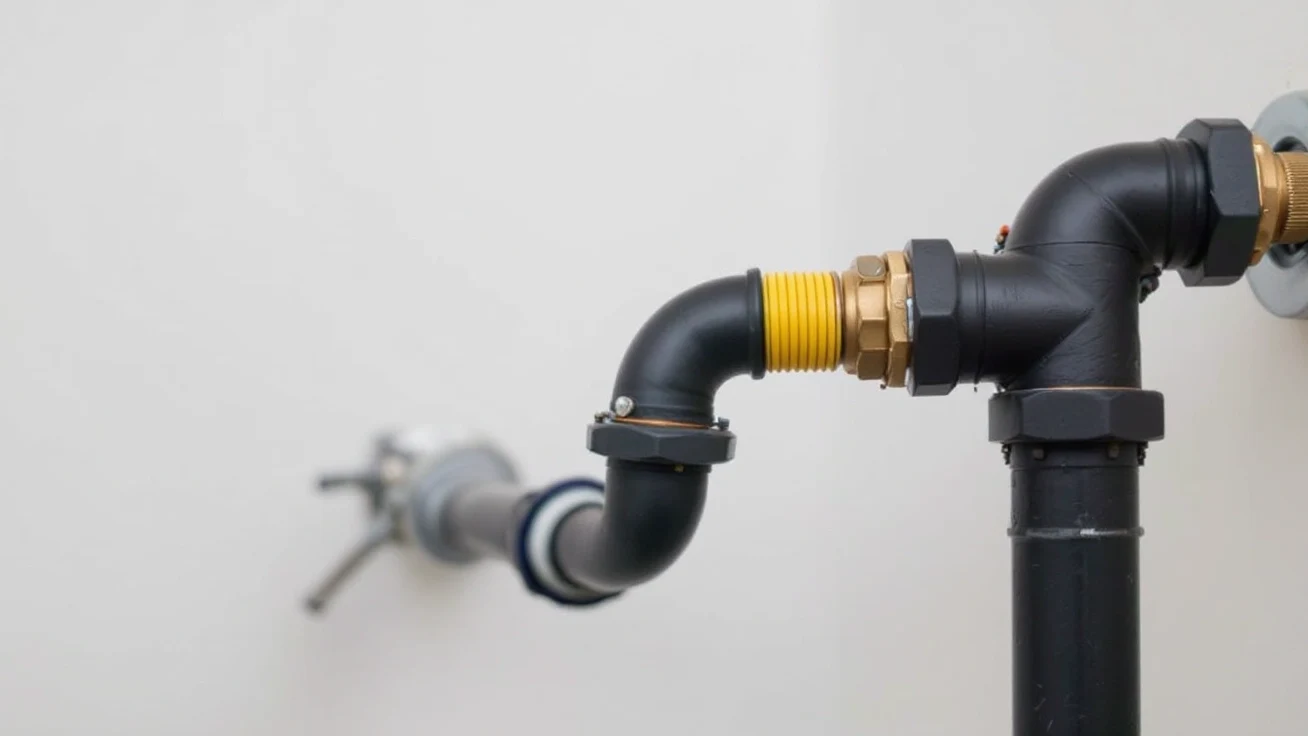
Keep units attached to every value. An input stated in Btu per hour is not the same quantity as a volume flow without the needed fuel basis. Do not compare a table entry from one pressure system with a distinct supply. A photograph cannot confirm hidden branches or the full route length.
The heater connection is not a whole-house sizing answer
The connection size at the heater is one connection rule. It does not show the diameter of the entire run from the supply. A branch that serves only the heater differs from a shared section carrying several appliances. The sizing check must follow the real system.
Maker examples help only when their stated limits match. Navien lists small-pipe use for some units under set conditions. That does not cover every route or load. Read all the manual terms.
Do not copy just a small pipe size from a heading. Keep the full sizing basis with the plan.
Read the table's conditions before its numbers
A sizing table has a stated fuel and pressure basis. It may also state a pipe material and allowed pressure drop. The route-length method must match the relevant rules. Ask the installer to keep that basis with the supply check so the chosen result can be understood later.
Fittings and shared loads need to be handled under that same method. Do not mix a length assumption from one table with capacities from another. Do not interpolate or round a result simply to keep the existing pipe. The question is whether the proposed setup satisfies the relevant method and heater rules.
Meter and regulator limits can sit outside the room
The visible heater branch may not be the only constraint. The meter or regulator can need a check when connected demand changes. The assigned gas supplier or installer shows the real rules. Include any dependency in the project schedule and estimate before the old water heater is removed.
Natural gas and propane systems also need their own correct fuel basis. A model's approved conversion capability does not mean the supply systems are the same. The exact heater setup and supply setup must agree. This page gives no conversion, pressure-adjustment or leak-check procedure.
A planning sketch that helps without becoming a gas design
Draw the accessible heater locations and label the known model facts. Mark any hidden route or uncertain branch as unknown. Note which heater records are missing. Leave final lengths and supply details to the written check instead of guessing from room dimensions.
Bring the sketch to the work scope. Ask if the price includes the needed supply work. An open gas-work allowance is not a fixed installed total. The gas cost guide shows how to keep those lines apart.
Resolve the supply finding before the old heater is removed.
Frequently asked questions
Can I reuse the line that served the old tank?
Possibly, but existing use does not prove capacity for a distinct heater. The new input and the real piping system need a check. Keep the fuel and pressure with that check. Include the route and other loads too.
Reuse should be a proven finding, instead of an assumption made because the previous heater operated from that line.
Does a larger visible pipe guarantee enough gas?
No. Supply pressure, the upstream setup and other loads still matter. The meter and regulator may impose another limit. A diameter viewed near the heater cannot describe the complete system.
Show the real sizing basis and supply finding before treating the proposed unit as a proven choice for that location.
Can the calculator size the gas line?
No. The sizing calculator estimates a water-heating task from flow and temperature rise. That does not show the exact burner input or a gas-piping design. The selected model manual supplies heater rules.
The relevant gas sizing method and real supply setup govern the separate check of the line, meter and regulator.
Tankless water heater gas line size verdict
Tankless water heater gas line size is a system decision with recorded conditions. Primary references: Rheem gas-piping guidance and Navien model instructions. Return to setup planning once the real supply rules are known.