
Installation and costs
Tankless Water Heater Condensate Drain
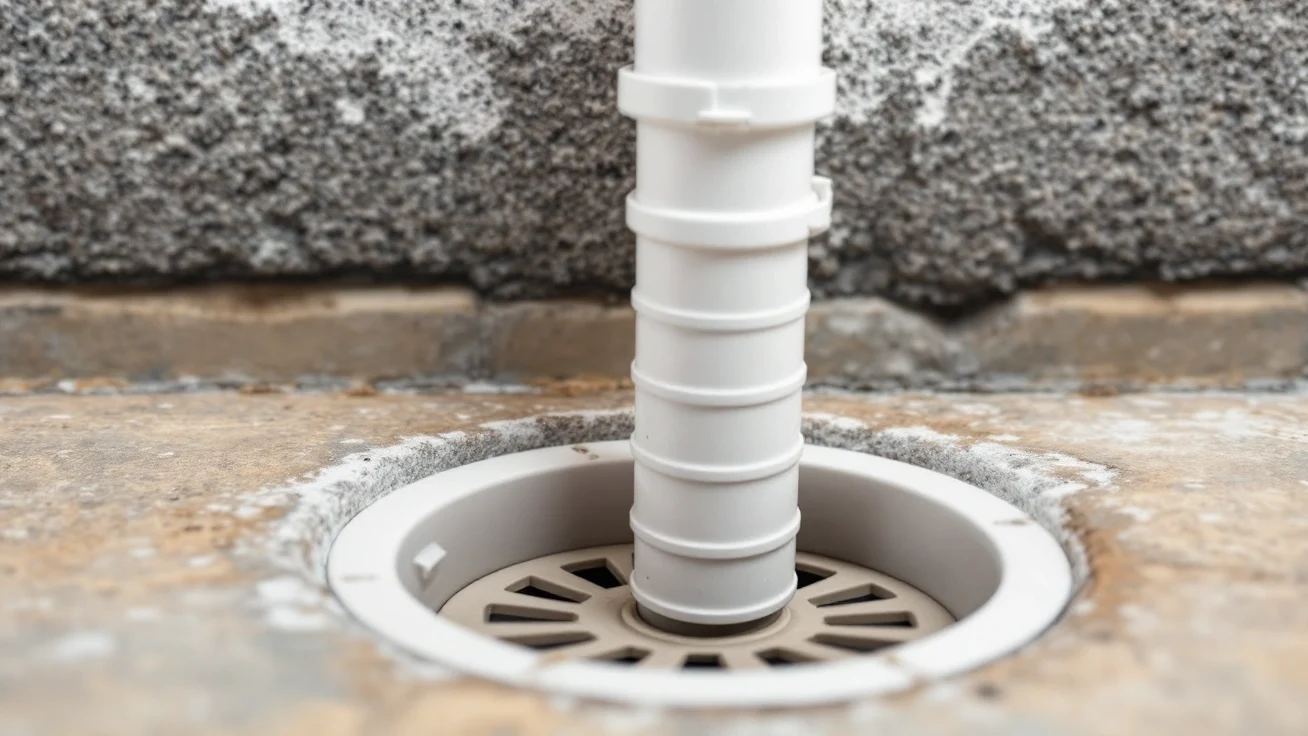
A tankless water heater condensate drain carries liquid from cooled gas exhaust. Plan the full route and keep it distinct from relief discharge.
Sections7
A tankless water heater condensate drain carries liquid from cooled gas exhaust. That liquid forms in a condensing heater. It is not the water from a pressure-relief valve. Keep those outlets distinct.
Start with the exact model manual. Then check the drain route and allowed end point. This guide helps plan those checks.
Condensing gas tankless needs a suitable drain route. It may need a neutralizer to treat the liquid. A pump may be needed where gravity cannot drain it. Check materials and trap rules in the manual. Keep the route clear of frost and leave room for service. A nearby floor drain does not prove that the planned route is allowed.
Tankless water heater condensate drain: identify the outlet
Read the exact model diagram and distinguish each connection by its function. Condensate forms during normal condensing use. Relief discharge is a safety function. A service-valve outlet has another purpose.
A photograph of a similar unit is not enough to name them on an installed heater.
Electric resistance tankless burns no fuel. It makes no liquid from gas exhaust. A non-condensing gas model has its own vent rules. Do not copy drain details between those designs.
The heat recovery guide explains the difference. Read the selected unit manual for the real connections.
Drain, neutralizer and pump decisions
| Item | Decision to document |
|---|---|
| Destination | Allowed discharge point for this property |
| Materials | Those approved by the model manual and adopted rules |
| Trap | Needed setup and any built-in rules |
| Neutralizer | Whether needed and how it can be serviced |
| Pump | Whether gravity drainage is possible and pump fit |
| Exposure | Freezing risk along the complete route |
Scroll for more →
A neutralizer treats the liquid with suitable media. It cannot approve a drain end point. A pump lifts liquid when a gravity route will not work. It needs power and its own upkeep.
Both devices have rules to follow. Neither replaces the heater manual or the local drain rules.
Follow the whole route, not just the cabinet connection
Sketch the full route. Note any rise or fall in height. Mark unheated spaces and the end point. Ask who will confirm that end point is allowed.
This sketch is a planning aid. The installer must set the real pipe details. Do not borrow a slope or trap size from another model.
The manual may cover liquid from the vent as well as the heater. Resolve both routes. A clear path at the cabinet is only a start. The whole route must drain as required.
Add that work to the price scope. A vague line for extra parts may leave it out.
Freezing and loss of drainage
Water in an exposed drain can freeze. The heater may protect parts inside its case. That does not protect the drain outside it. Check the full path against the manual.
Include spaces that lose heat when the home is vacant. An indoor heater label cannot settle frost risk along the route.
Blocked drainage can affect use and cause damage. Keep the neutralizer and any pump accessible for service. Inspect the neutralizer and replace its media according to its own instructions. Follow the pump instructions for its checks too. Do not bypass a trap or disconnect a safety device to keep a heater running.
Stop using the heater when its instructions call for it. Have the cause resolved before restarting.
Frequently asked questions
Can condensate share the relief discharge pipe?
Do not assume that it can. They serve distinct functions and have separate rules. Name the connections in the exact setup manual. The installer must show an allowed disposal setup for each.
Combining them simply because both carry water can compromise the planned system and does not show compliance with adopted rules.
Does every installation need a condensate pump?
No single pump rule follows from the word condensing. First show whether the approved destination can be reached with the allowed gravity setup. If a pump is needed, select it for the condensate and needed duty. Include access and power, plus service tasks in the plan instead of treating it as an invisible fitting.
Does the neutralizer last for the heater's lifetime?
Do not assume that. Its media and inspection rules follow the selected product instructions and real service conditions. Keep an accessible location and an upkeep record. A neutralizer installed out of reach can be difficult to maintain.
Include its upkeep when comparing the ongoing tasks of distinct setups.
Tankless water heater condensate drain verdict
Resolve the tankless water heater condensate drain as a complete route with a recorded destination. Bring that record to the setup plan. Source: Navien NPE-240A2 current model document library. Use the selected manual's condensate section and local rules, instead of treating this planning checklist as setup instructions.